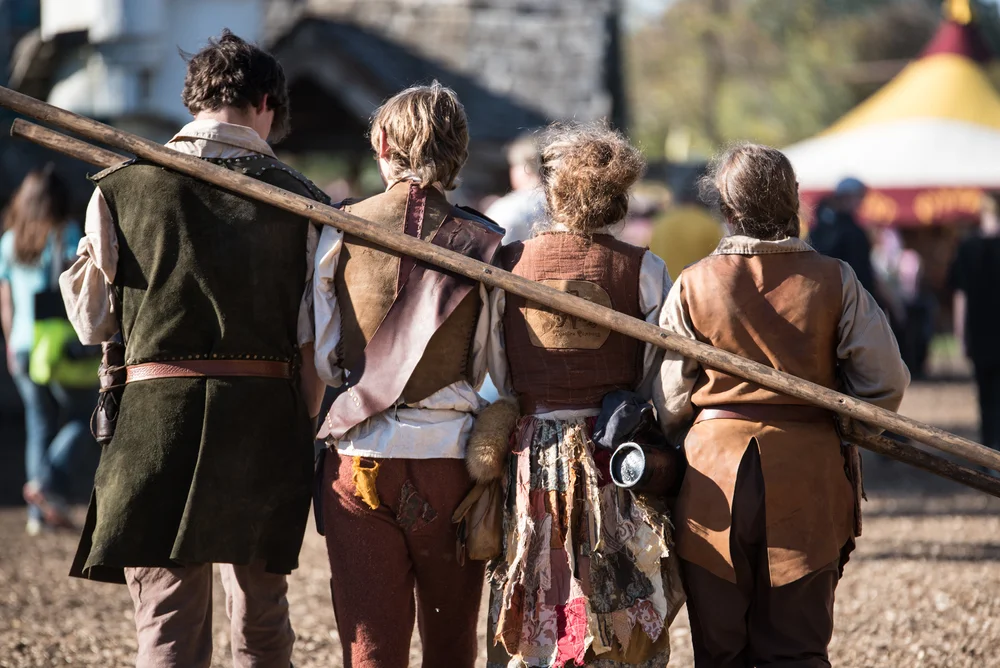
A decade of Shakespeare under the stars in Rochester Minnesota
For ten summers now, a small corner of Rochester, Minnesota has transformed into an open-air stage where the speeches of Hamlet, the banter of Beatrice and Benedick, and the forest whispers of A Midsummer Night's Dream have drifted across picnic blankets and lawn chairs. Shakespeare in the Park, the signature summer programme run by Northland Words, has reached a milestone that feels both improbable and inevitable, given the deep affection local audiences have shown for these productions since the very first summer. Reaching a tenth anniversary in the nonprofit arts world is no small feat, and the team behind the festival is marking the occasion with a season that promises familiar favourites alongside a few surprises.
For readers tuning in from Australia, the timing carries its own kind of poetry. While the southern hemisphere settles into its coldest months, Rochester warms up under long daylight hours and the kind of balmy evenings that make outdoor theatre irresistible. Many Australians will recognise the ritual of spreading a rug on the grass, uncorking a bottle of something decent, and settling in as the sun goes down. The parallels with homegrown traditions like Bell Shakespeare in Sydney or the summer seasons at local botanical gardens are easy to spot, and the shared love of Shakespeare is one that crosses hemispheres with ease.
The spark that lit the first production
The story of Shakespeare in the Park in Rochester begins, like many great community projects, with a handful of passionate people and a question: why not? A small group of theatre practitioners, educators, and parents wondered aloud whether the classics could thrive outside the walls of a traditional playhouse, surrounded by trees and the soft hum of summer insects. The first production was staged with minimal props, a fold-out stage, and a cast drawn largely from the local community. Word travelled quickly, and by the second summer the audience had grown enough to justify a second show.
Looking back, the early years had the scrappy charm of any genuine beginning. Costumes were borrowed, lighting was improvised, and rehearsals happened in living rooms and church basements. Yet the quality of the storytelling was never an afterthought. The directors understood that Shakespeare, when performed with clarity and heart, can speak to anyone, regardless of whether they first encountered the Bard in a year ten classroom or not. That conviction has remained a constant, even as the production values have grown more ambitious with each passing season.
Growing roots through community partnership
What sets the Rochester programme apart from many other free summer Shakespeare initiatives is the network of partnerships that grew up around it. Local businesses donated printing services, cafés and restaurants offered space for read-throughs, and schools opened their auditoriums for indoor rehearsals during the unpredictable Minnesota spring, when snow has been known to fall as late as May. The festival became less a single organisation's project and more a town-wide collaboration, a living example of what can happen when a community decides that art belongs to everyone.
That same spirit of collaboration has shaped the visual identity of the shows. Set designers and prop makers have experimented with everything from reclaimed timber to painted backdrops, learning to think like curators as much as technicians. Anyone interested in how thoughtful presentation can elevate everyday materials into something memorable might appreciate the curatorial approach to mixed media that other arts organisations have explored, because the same principles of intention and care apply whether you are staging a play or hanging an installation.
The partnerships have also extended to the broader cultural sector. Collaborations with the local library, historical society, and university theatre departments have brought in scholars, musicians, and visual artists who deepen the audience's understanding of each play's context. Pre-show talks, post-show discussions, and lobby exhibitions have turned a simple evening at the park into a richer cultural experience, one that rewards both the casual viewer and the committed Shakespearean.
Productions that echoed through the trees
Over the past decade, the festival has worked through a generous slice of the canon, returning to beloved crowd-pleasers while also taking risks on lesser-performed titles. A Twelfth Night set in a steampunk-inspired Illyria drew gasps from first-timers and Shakespeare devotees alike. A Henry V that leaned into the history play's themes of leadership and sacrifice found an unexpectedly poignant resonance in a community still processing the disruptions of recent years. And of course, there have been multiple productions of A Midsummer Night's Dream, which has become something of a signature piece for the company, its woodland setting blending seamlessly with the actual trees that surround the performance area.
One of the most touching aspects of these productions has been the way they have welcomed newcomers to Shakespeare. Families who had never seen a play together have returned year after year, turning the annual outing into a tradition as fixed as any holiday gathering. For Australians who grew up studying Shakespeare in secondary school, the experience of watching the plays performed al fresco can feel like meeting an old friend in an entirely new setting. There is a particular joy in hearing the famous lines delivered under an open sky, where the language seems to belong to the world rather than to the page.
The festival has also experimented with casting and storytelling choices that reflect the diversity of the community. Gender-swapped leads, multicultural casting, and contemporary costume references have sparked conversations, but they have rarely divided the audience. Instead, they have reminded everyone that Shakespeare was himself a man of the theatre, willing to adapt his works to suit his company and his audience. The Rochester ensemble has taken that same spirit to heart, and the result is a body of work that feels both faithful and freshly imagined.
The people who make the magic happen
Behind every summer of Shakespeare in the Park stands a small army of volunteers, board members, donors, and the dedicated artists of Words Players Theatre. The company has evolved into the resident ensemble for the festival, a group of actors, directors, and designers who return year after year, building a shorthand with the audience that only sustained collaboration can produce. Many of them are teachers, parents, or full-time professionals in other fields, and their willingness to dedicate weeks of their summer to the project speaks volumes about the meaning it holds in their lives.
The youth programmes deserve a special mention. Each season, students from local schools and community education groups are invited to participate in workshops, attend special matinee performances, and in some cases take the stage in smaller roles or as part of ensemble work. Watching a fifteen-year-old deliver Portia's quality of mercy speech to a hushed crowd of two hundred is the sort of moment that reminds everyone why the festival exists in the first place. The intergenerational exchange between seasoned performers and first-timers is one of the programme's quiet treasures, and it is one of the reasons the tenth season feels like a genuine community achievement rather than simply an organisational milestone.
Equally important are the people who never step into the spotlight. The ushers who hand out programmes, the costume seamstresses who spend winter months preparing for the next summer, the technical crew who troubleshoot sound issues in real time, and the donors whose quiet generosity keeps ticket prices free for everyone. The festival is, in many ways, a portrait of a town that has decided to invest in its own imagination, and the tenth anniversary is as much a celebration of those invisible contributors as it is of the performers on stage.
What awaits audiences in the anniversary season
The tenth anniversary summer is shaping up to be the most ambitious yet. The season opener will be Much Ado About Nothing, a choice that balances the festive tone of a milestone year with the kind of sparkling wordplay that plays beautifully outdoors. Later in the summer, the company will stage The Tempest, a play that lends itself to magical lighting effects and the natural acoustics of the park. Between the two main productions, there will be additional events, including poetry readings, live music, and the return of the Thornton Wilder Short Play Festival, which has become a beloved companion piece to the Shakespeare offerings.
For those planning to attend from afar, a few practical notes might help. Minnesota in July and August is warm and humid, with temperatures often climbing into the high twenties or low thirties Celsius during the day and cooling pleasantly after sunset. Bringing a blanket or low chair, a refillable water bottle, and perhaps a picnic is very much in the spirit of the event, echoing the relaxed approach Australians bring to their own outdoor summer screenings and concerts at venues like the Sydney Opera House forecourt or the Melbourne Botanic Gardens. Seating is general admission on the grass, and the atmosphere is deliberately informal, which is part of the charm.
There is something quietly radical about a free, high-quality theatrical experience in an era when the arts are increasingly pushed to the margins of public life. Shakespeare in the Park reminds us that the opposite is possible, that culture can be both excellent and accessible, both traditional and surprising. As the tenth season gets underway, the organisers are hoping that longtime supporters and first-time visitors alike will join them under the trees for what promises to be a summer to remember.
Tickets, schedules, and information about the youth workshops and volunteer opportunities are all available through Northland Words, where you can also sign up for the newsletter to stay informed about the full summer calendar and any weather-related updates. The tenth season promises to be a fitting tribute to a decade of community storytelling, and there has never been a better time to experience Shakespeare in the Park for the first time, or to return to a tradition that has become a defining part of Rochester's summer.