Exploring Identity Through Our Recent Productions
Identity is never a single, settled idea onstage. It is shaped by family, language, memory, place, work, faith, friendship, gender and the stories people inherit about who they are allowed to become. In recent productions, Northland Words has explored these layers through theatre, literature and music, creating spaces where audiences can recognise familiar experiences while encountering lives beyond their own.
For Australian audiences, these questions carry particular resonance. A person may move between a close-knit regional town and a city such as Melbourne or Sydney, speak one language at home and another at work, or balance cultural traditions with the fast-changing expectations of contemporary life. Theatre gives those crossings a human scale. Through performance, identity becomes something audiences can see, hear and feel changing in real time.
Identity Onstage Is Always In Motion
Many of our recent productions treat identity as a process rather than a label. Characters begin with an idea of themselves that seems secure, then encounter a relationship, conflict or revelation that unsettles it. The resulting journey is not always dramatic in the conventional sense. Sometimes a pause, a changed tone or a decision to remain silent reveals more than a speech could.
This approach reflects the way people actually live. Identity can shift when someone leaves home, becomes a parent, starts university, changes careers or reconnects with an estranged part of their heritage. Young people may be testing different versions of themselves at school, online and among friends, while older adults may be reconsidering stories they accepted for decades. Theatre allows those internal changes to become shared experiences rather than private uncertainties.
The work of Words Players Theatre is especially suited to this exploration because ensemble performance places individual choices within a larger community. A character is defined by their own actions, yet also by the people watching, challenging and supporting them. That relationship between the individual and the group is central to the way identity develops.
The Stories We Carry From Home
Family is one of the strongest sources of identity, but it can be both a refuge and a source of tension. Productions that focus on family histories often reveal how affection, obligation and silence work together. A parent may pass on a language, recipe or belief while withholding painful information. A child may reject an inherited custom before discovering that it contains a part of their own story.
For Australian audiences, these tensions can connect with the experience of living in a culturally diverse society. In suburbs across Sydney, Melbourne and Brisbane, it is common for family members to navigate different expectations around independence, marriage, education and work. A teenager might move easily between cultural traditions at home and the habits of a predominantly English-speaking school environment. The stage can hold these worlds together without reducing them to simple conflict.
Literature and music deepen this examination of belonging. A repeated phrase may echo a grandparent’s voice; a song may bring back a home left behind; a carefully handled object may carry more emotional weight than a full explanation. These details show that identity is often stored in the senses. The smell of a kitchen, the rhythm of a familiar accent or the sound of a community gathering can reveal who a character is before the character understands it themselves.
The Body, Costume And Public Self
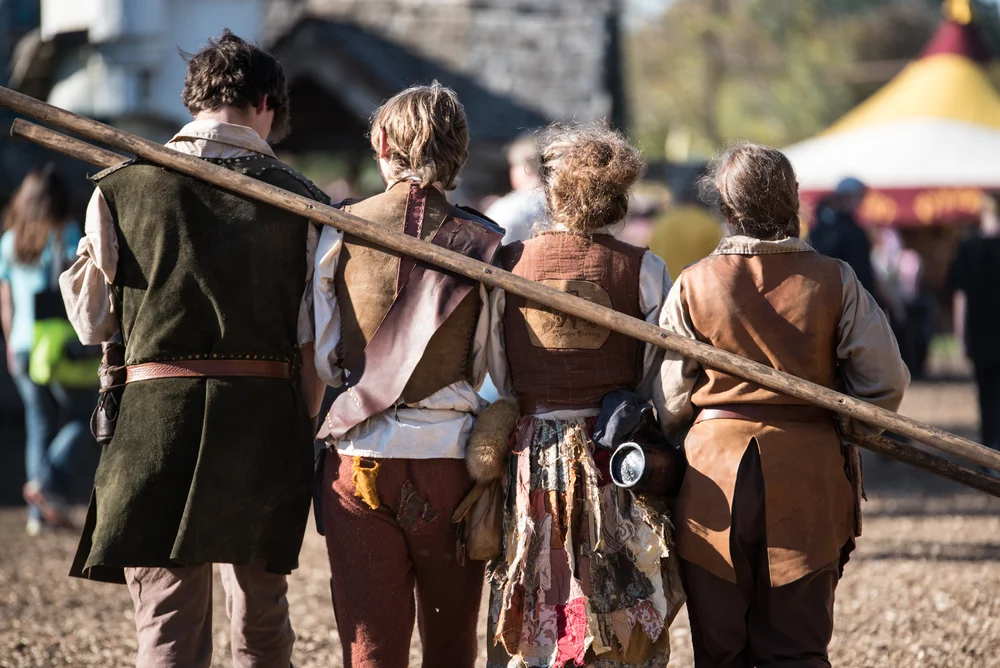
The body is another important site of identity. Onstage, clothing, movement and physical presence communicate how a person wants to be seen and how others choose to interpret them. A costume can signal confidence, resistance, cultural belonging or conformity. Changing it can mark a private transformation, while refusing to change it can become an act of defiance.
This visual language has particular relevance in a culture shaped by public celebrations, sporting rituals and fashion-conscious city life. Someone might dress differently for a Melbourne laneway café, a family gathering in western Sydney or a community festival in regional Victoria. Everyday choices about appearance are rarely neutral. They can express pride, protect privacy or negotiate expectations about gender, class and respectability.
Our productions approach these questions with care rather than treating identity as a visual shorthand. A costume should not become a stereotype, and a performer’s body should not be used to make an audience feel that it has understood an entire community. The strongest work allows complexity to remain visible. It asks audiences to notice how quickly they form judgements and how those judgements can change when a character speaks.
Theatre can also make room for play. A mask, a formal outfit or an exaggerated silhouette may allow a character to try out another self before deciding what feels authentic. This spirit connects with the imaginative energy of themed celebrations and performance events; even themed ball inspiration can demonstrate how clothing and presentation help people experiment with public identity. Onstage, that experimentation becomes part of the dramatic language.
Place, Language And Belonging
Identity is shaped by geography as much as by relationships. A production set in a small town can make distance, reputation and local memory feel immediate, while an urban setting may foreground anonymity, migration and constant movement. Place determines what characters know, what they fear and which parts of themselves they can safely reveal.
This is one reason community-based arts matter. Audiences in Rochester, Minnesota, bring knowledge of their own streets, schools, workplaces and seasonal rhythms to a performance. Australian audiences do the same. The cultural atmosphere of an annual Shakespeare in the Park performance in Adelaide, Perth or Canberra would be influenced by the surrounding parkland, local climate and audience customs. People may arrive with picnic rugs, reusable water bottles and a practical awareness of the weather, yet still experience the play through deeply personal memories.
Language carries place into the room. Accents, idioms and untranslated phrases can distinguish generations or mark a character as an outsider. In Australia, the meaning of a word can change across states and communities, and Aboriginal and Torres Strait Islander languages carry connections to Country that English alone cannot replace. Responsible storytelling requires attention to whose language is used, who is represented and who has authority over the story being told.
Legislation also forms part of the environment in which identity is negotiated. Australian performers and writers work within protections offered by anti-discrimination law, copyright law and workplace safety requirements, while organisations involving young people must take safeguarding obligations seriously. A production does not become inclusive simply by presenting diverse characters. Inclusion also depends on fair access, respectful rehearsal rooms and clear processes for participation.
Making Room For Many Perspectives
Identity-centred theatre is strongest when it grows from genuine listening. That means inviting artists and community members into the creative process early, paying attention to lived experience and resisting the temptation to turn social questions into neat messages. It also means recognising that no single performer can represent every person who shares a cultural, racial, gender or generational identity.
Northland Words brings together theatre, literature and music through productions, classes, festivals and community gatherings. This broad activity creates several entry points into the conversation. A student may first encounter the organisation through a class, a family may attend a festival, and an experienced theatre-goer may discover a new perspective through a short play. Each setting can make identity feel less like an abstract theme and more like a relationship between people.
For audiences in Australia, access and participation deserve equal attention. Ticket prices, transport, hearing access, relaxed performance options and the timing of events can determine who is able to attend. In cities where public transport may be convenient but expensive, or regional areas where travel requires careful planning, practical arrangements influence whether an arts experience feels genuinely welcoming.
A thoughtful identity-focused production leaves room for interpretation while offering clear care behind the scenes. These actions help create that balance:
- Cast artists with relevant lived experience wherever a role or story calls for it, and involve them in shaping the production.
- Provide accessible information about content, venue facilities, transport and performance formats before tickets are booked.
- Build rehearsal practices around consent, cultural respect, safeguarding and the right to raise concerns without penalty.
- Pair performances with conversations, workshops or reading materials that extend reflection beyond the theatre.
- Review audience feedback for patterns about representation, affordability and access rather than treating every response as an isolated comment.
The goal is not to make every audience member reach the same interpretation. A rich production may leave one person thinking about family, another about language, and another about the pressure to perform a public version of the self. Those different responses are part of the work’s value. They show that identity is relational: it becomes clearer when people encounter one another.
Our recent productions invite audiences to look closely at the stories people tell about themselves and the stories others tell for them. They remind us that belonging can be inherited, chosen, challenged and renewed. Theatre cannot settle every question of identity, but it can make those questions visible and give communities a place to consider them together.
Attend a Words Players Theatre performance, bring a friend or family member, and stay for the conversation that follows. Explore Northland Words classes, festivals and community gatherings to experience how performance, music and literature can open new ways of seeing ourselves and one another.