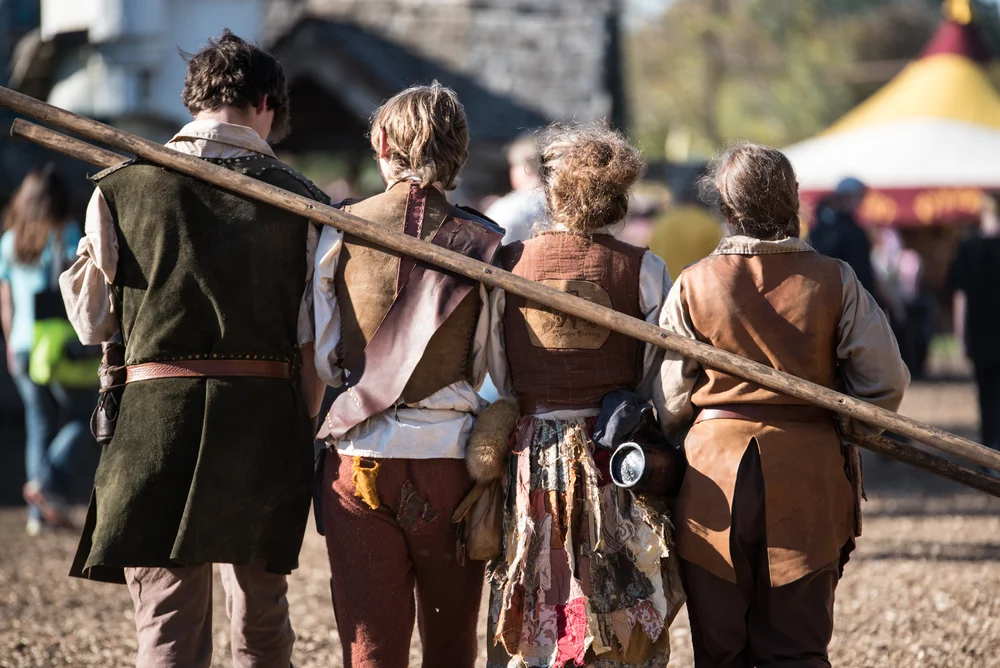
When Stories Bring Generations Together
A theatre audience can contain a grandparent who remembers rationing, a parent balancing work and family, and a teenager thinking about the next chapter of life. For a few hours, those different experiences share one room, one story and one emotional rhythm. The power of theatre to bridge generations comes from this simple act of gathering together.
Live performance creates a form of conversation that does not depend on everyone having the same taste, background or vocabulary. A child may notice a character’s courage, while an older audience member recognises a historical reference or a familiar family tension. Each person receives the story through a different window, then carries that response into discussion.
This kind of intergenerational connection matters in Australia, where families may be spread between Melbourne, Brisbane, Perth and regional towns. Theatre offers a reason to cross the city, leave the screen behind and meet in a shared cultural space. It can become part of a weekend outing, a school excursion, a community festival or a cherished annual tradition.
Northland Words brings together theatre, literature and music through productions, classes, festivals and gatherings in Rochester, Minnesota. Its work, including Words Players Theatre, Shakespeare in the Park and Thornton Wilder Short Play Festivals, shows how the arts can welcome youth, adults, families, students and longtime local audiences into the same creative community.
Theatre As Common Ground
A play gives people a shared point of reference. After the curtain falls, they can talk about a difficult decision, laugh at a memorable line or compare their impressions of a character. That exchange can happen between people who rarely discuss books, history or politics together. The story provides a safe subject through which more personal ideas can emerge.
Theatre also makes room for silence and attention. In a world shaped by short videos, notifications and constant multitasking, sitting together while actors perform encourages a slower kind of engagement. Audience members notice voice, gesture, costume, music and the reactions of others around them. A young person may learn to concentrate through the example of an older companion, while an older viewer may rediscover the excitement of seeing a story through fresh eyes.
The communal nature of performance distinguishes it from consuming entertainment alone. A recorded film can be powerful, yet live theatre includes the unpredictable energy of bodies sharing a space. Laughter travels across rows. A pause can become almost tangible. Applause gathers strangers into a temporary community, and that feeling often remains after the evening ends.
Why Live Performance Travels Across Age Groups
Strong theatre speaks to several levels at once. A Shakespeare production may offer intricate language for experienced audiences, physical comedy for children and questions about power or loyalty that remain meaningful at any age. A contemporary family play might entertain younger viewers while giving adults an honest glimpse into the pressures shaping a child’s world.
This layered quality allows relatives to attend the same performance without expecting identical reactions. A teenager may connect with a story about belonging, while a grandparent responds to its treatment of memory. Neither interpretation cancels the other. Intergenerational arts experiences become richer when people explain what they saw and why it mattered to them.
Theatre can also preserve cultural memory. Stories about migration, work, war, community life or changing social customs help younger audiences understand that the present did not appear fully formed. Older audiences, in turn, may see their memories represented in new language. When handled with care, this exchange honours lived experience without treating the past as a museum piece.
The People Productions model reflects the value of using performance to connect community members through accessible, participatory arts. Whether people are acting, writing, designing or attending, creative involvement gives generations a way to meet as contributors rather than as separate groups with fixed roles.
Learning Through Making Theatre
Intergenerational theatre is especially powerful when people take part in the creative process. A workshop can pair a young performer with an older mentor, invite families to develop scenes together or ask participants to adapt a local story. Such projects make learning reciprocal. Younger artists may bring confidence with digital tools and contemporary references, while older participants contribute patience, craft knowledge and memories that cannot be found through a quick search.
Drama education develops skills that extend beyond the stage. Rehearsing teaches commitment and listening. Improvisation encourages flexibility. Memorising lines builds persistence, while ensemble work shows why every person’s contribution affects the whole production. These benefits matter for students, parents, retirees and community volunteers alike.
For children and teenagers, theatre can offer a place to test identity in a supportive environment. They can play a leader, a comic figure, a historical character or someone very different from themselves. Adults may gain a similar freedom after years of being defined by professional or family responsibilities. The rehearsal room becomes a space where curiosity is more important than age.
Classes and short-play festivals are well suited to this approach because they welcome different levels of experience. A participant does not need professional ambitions to benefit from public speaking, creative writing or collaborative storytelling. The act of making something together can soften the distance between generations before the audience even arrives.
An Australian Lens On Shared Stories
Australian communities have their own rich settings for intergenerational theatre. A performance in a suburban hall in Adelaide, a community centre in Newcastle or an outdoor venue in Canberra can bring together people whose daily routines rarely overlap. In regional areas, where arts events may require careful planning and travel, a local production can become a significant social occasion rather than a casual night out.
The customs surrounding performance help create that occasion. Families may meet for dinner before a show, bring grandparents to a matinee or gather afterwards for coffee and a discussion. School holiday productions often become part of the family calendar, while outdoor performances recall the relaxed atmosphere of summer evenings and local festivals. In places where audiences sit under the stars, the setting itself becomes part of the memory.
Australian theatre also benefits from stories that reflect the country’s varied communities. Productions can explore First Nations perspectives with appropriate cultural leadership, migrant experiences, regional identity, multigenerational households and the pressures of city life. Audiences in Sydney or Melbourne may recognise one set of concerns, while viewers in Hobart, Darwin or a smaller inland town bring another understanding.
The local arts market includes major commercial venues, independent companies, school programs, amateur groups and volunteer-led festivals. Accessible pricing, family tickets, transport options and performances at practical times can determine who participates. When organisations design for broad attendance, theatre becomes less like a special treat reserved for a narrow audience and more like a regular part of community life.
Practices That Help People Connect
Theatre organisations can make intergenerational participation more natural by considering the full experience, from the first invitation to the conversation after the show. A welcoming foyer, clear information and varied ticket options can reduce barriers. Schools, libraries, retirement communities and local cultural groups can also help audiences discover events they might otherwise miss.
Simple design choices often have a substantial effect. A matinee may suit families and older patrons, while an evening performance can work better for students and professionals. Large-print programmes, comfortable seating, hearing assistance and straightforward venue information help people of different ages attend with confidence.
Useful approaches include:
- Family workshops that combine storytelling, movement and music
- Matinee performances with relaxed audience expectations
- Talkbacks where performers welcome questions from all ages
- Community partnerships with schools, libraries and care homes
Participation should extend beyond watching. People can contribute by sharing a family story, helping with costumes, reading a poem, composing music or assisting with front-of-house duties. These roles create ownership and allow people with different strengths to be visible within the same project.
Practical ways to deepen the exchange include:
- Pairing emerging artists with experienced creative mentors
- Inviting audiences to submit memories for local story projects
- Offering discounted group tickets across several age brackets
- Publishing discussion prompts for families after performances
A successful intergenerational programme does not assume that age groups are alike. It respects difference while creating reasons to listen. The aim is not to make every generation respond identically, but to let each one contribute something that changes the experience for everyone else.
Keeping The Conversation Alive
The impact of a performance often grows after the final applause. A family may discuss a character during the drive home, a class may reinterpret a scene the following day, or neighbours may continue debating the ending over lunch. Arts organisations can encourage these moments with programme notes, community conversations, reading groups and creative activities connected to the production.
Literature and music broaden that conversation. A play based on a novel can lead audiences towards further reading, while live music can connect a story to family memories or local traditions. Northland Words’ combination of theatre, literary programmes and musical activity demonstrates how one art form can open a path into another.
Regular events also build continuity. When audiences return each year for Shakespeare in the Park or a short-play festival, the event becomes a shared marker of time. Children grow into performers, volunteers become mentors and first-time visitors become familiar faces. This continuity is one of the quiet strengths of community arts.
For people who want to follow performances, classes and gatherings, the Northland Words newsletter offers a practical way to stay connected with the organisation’s programme. Ongoing communication helps turn a single visit into a relationship with the wider creative community.
Building A More Connected Audience
Theatre bridges generations when it treats every age as part of the artistic life of a community. Young people are not simply future audiences, and older people are not only holders of tradition. Each group has imagination, insight and experience to offer now. A shared stage can reveal those strengths in ways ordinary conversation sometimes cannot.
For Australian audiences, the opportunity exists in many forms: a local school production, a touring company, a Shakespeare performance in a park, a community play in a regional hall or a family workshop during the holidays. The scale does not determine the value. What matters is the invitation to gather, pay attention and respond together.
Northland Words shows how theatre can sit within a larger ecosystem of literature, music, education and community participation. Supporting these programmes through attendance, volunteering, donations or creative involvement helps sustain the places where generations meet. Join a performance, enrol in a class, bring someone from another generation and make the shared story continue beyond the stage.