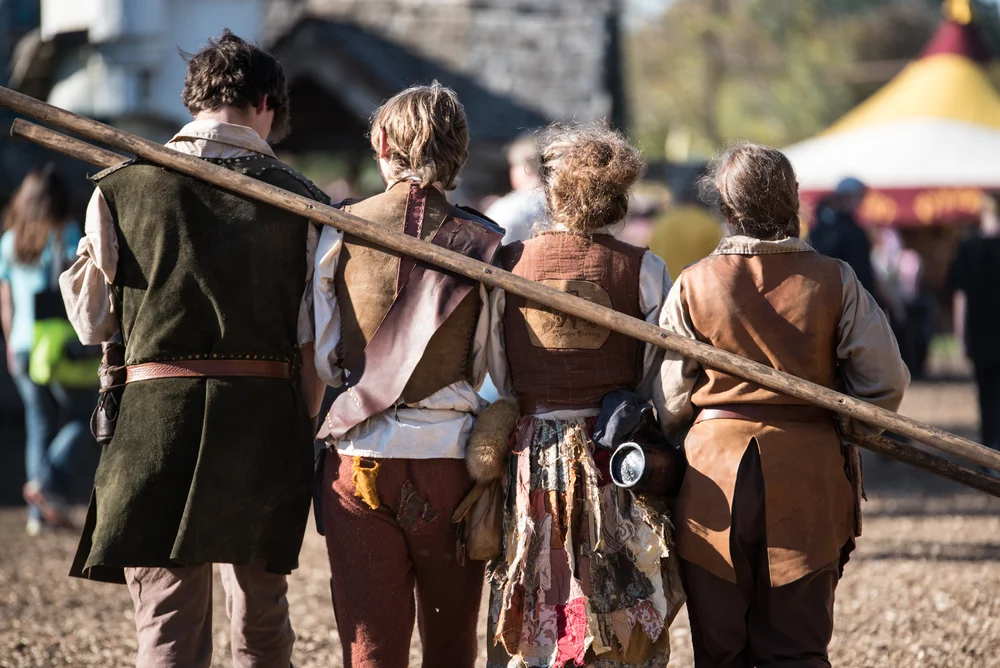
A look inside our rehearsal space
Every production at Northland Words begins somewhere less polished than the stage. In the rehearsal room, actors test a line, musicians check a rhythm, and a director moves a chair until the imagined scene has enough space to live. The room is where Words Players Theatre, youth groups and visiting artists turn written pages into shared action. It is also where small mistakes surface early, when changing a cue is easier than rebuilding it under stage lights.
Northland Words is a 501(c)(3) nonprofit arts organisation based in Rochester, Minnesota, bringing theatre, literature and music together through productions, classes, festivals and community gatherings. A look inside our rehearsal space therefore reveals more than furniture. It shows how an organisation with students, families, adults and local arts enthusiasts makes room for experimentation, discipline and belonging. The same space can welcome a first-time reader, an experienced actor and a family assembling after work.
What the working room reveals
The first thing to notice is how little is fixed. Folding chairs can become a cottage, a council chamber or a ship’s deck between rehearsals. Tape on the floor marks a doorway, a walking path or the spot where a confession must land. A table holds scripts and calendars; a pinboard carries the week’s calls and music cues. Even the lighting is practical, bright enough for notes but soft enough for performers to spot the subtle changes in one another’s faces.
- Blue tape marks doors, paths and focal points on the floor.
- Stackable chairs shift quickly between a scene and an audience.
- A shared table holds scripts, calendars, sewing tools and notes.
- A pinboard keeps calls, music cues and rehearsal targets visible.
People bring the room to life. A script arrives covered with questions, a vocalist hums a phrase, and a volunteer tests whether the final line can be heard from the back row. Those practical checks belong beside the artistic work because clarity is part of the experience. If an audience member cannot follow the action, or a performer cannot move safely, the imagined world has not done its job.
- Scripts carry highlighted lines and pages of questions.
- Water bottles, snacks and spare batteries live in a labelled bin.
- Personal medication and accessibility items stay with their owners.
- Small notebooks record movement choices, breath notes and discoveries.
This flexibility lets one space support many parts of our programme. A youth workshop may need an open floor, while a playwright’s table read calls for a quiet circle and shared pages. Rehearsals for the Thornton Wilder Short Play Festival can change between sessions, just as Words Players Theatre might use the room for a full-length production. The furniture stays, but each arrangement reflects a different voice, age and way of telling a story.
How a scene finds its shape
Rehearsal begins with arrangement rather than speed. A director and actors first locate the dramatic question: who wants what, what blocks the desire, and what changes by the final line. Only then do they walk the marks, try the voice and test the physical business. Repeated attempts replace guesswork. A line that felt clever on the page may need ten seconds of silence; a blocking pattern that looked logical from above may trap the body. The room makes those discoveries tangible.
The value of this process is explained in why community theatre matters: in a small city, a rehearsal room can be the place where relationships deepen, confidence grows and local stories find an audience. That is especially apparent when participants meet people outside their usual circle. The strongest work often arrives through patience rather than polish, and that patience depends on a welcoming room, shared objectives and enough time to listen.
Australian readers will recognise the pattern in regional cities such as Bendigo, Toowoomba and Wagga Wagga, where volunteer ensembles often rely on council halls, school spaces and adaptable community venues. In Rochester, Minnesota, the scale is smaller and the distances are shorter, but the everyday arithmetic is similar: rehearsal time is precious, storage is limited, and every volunteer brings a particular skill. Our annual Thornton Wilder Short Play Festival adds another layer, using the room as a laboratory for brief, sharply shaped works.
Designing for access and safety
A good rehearsal room must support more than artistic possibility. Clear circulation protects people carrying props; stable chairs support different bodies; good lighting helps cast members read; and a quiet corner allows concentration or recovery. Before a session, we check the route from entrance to floor, the location of exits and the needs of anyone using a mobility aid, hearing aid or other access equipment. We also invite participants to name anything that would make the work safer or more comfortable.
For Australian community arts groups, this practical care sits within a clear legal setting. State and territory work health and safety rules shape risk assessment, incident reporting and the safe handling of equipment, while child-safety requirements guide work with young performers. Public liability insurance is commonly required when hiring council or school venues, and liquor licensing for social events is administered at state or territory level. The federal Disability Discrimination Act 1992 and local building-access rules also make access more than a courtesy. These obligations vary by jurisdiction, so each organisation confirms its own duties rather than copying another ensemble’s checklist.
Access also depends on ordinary Australian habits around community spaces. A rehearsal may be booked through a council office, a library meeting room or a school hall, with costumes arriving in garment bags and props travelling by car between shared storerooms. When sessions end after school or work, pickup logistics shape who can attend. Offering clear arrival times, a secure place for belongings and a named contact helps families participate without having to improvise those details on the night.
Costumes, props and the local market
During a production, the rehearsal room often becomes a workshop. A dining table may hold needles, fabric and a laptop showing costume references; a shelf may hold shoes, mugs and rehearsal versions of props. Because the objects are handled, they improve before an audience ever sees them. Weight, noise, colour and movement are tested in motion. A cloak that looks dramatic in a drawing can restrict an actor, while a plastic cup that feels convincing onstage can sound dangerously unlike a real one.
This playful relationship between clothing, character and performance is visible at the Fafswag Ball, where garments become part of the spectacle and designing for the body takes centre stage. That kind of event reminds us that a rehearsal space can feed a larger creative ecosystem. A seamstress, a maker, a sound technician and a performer may begin in separate disciplines and meet around the same table.
Australian ensembles may approach that work through a strong reuse market: op shops, second-hand suppliers, lending networks and local alteration services can provide useful starting points, while council grants and community fundraising help cover the gaps. The emphasis is not on cheapness. It is on choosing materials that suit the story, reducing waste and keeping resources circulating through the community. A borrowed table can support a scene; a donated rail can carry the next production. The same principle guides the rehearsal room, where careful sharing lets a modest space support ambitious work.
From rehearsal to a shared celebration
Public performance changes the room again. Notes disappear, costumes replace everyday clothes, and a taped pathway becomes the geography of an entire story. Preparation for our annual Shakespeare in the Park is a good example: a local park must hold an audience, carry sound through open air and remain welcoming to families. Actors still need a dependable place to rehearse before they meet that temporary stage.
The story continues in our Shakespeare in the Park, which traces the series and its community reach. That reach depends on many hands: directors, actors, musicians, costume-makers, technicians, park staff and volunteers who guide visitors. The rehearsal space gives those people somewhere to gather, rehearse, solve problems and restore energy before an outdoor performance begins.
Northland Words offers several ways to enter that work: audition for Words Players Theatre, join a class, perform at the Thornton Wilder Short Play Festival, volunteer with Shakespeare in the Park, or bring a family to a gathering. Read the season listings on the Northland Words website, choose the event that fits your interests, and arrive ready to learn from other participants. Whether you live in Rochester, across Minnesota or in an Australian town with its own volunteer arts scene, the invitation is the same: share the room, respect the process, and help make performance a durable part of community life.